
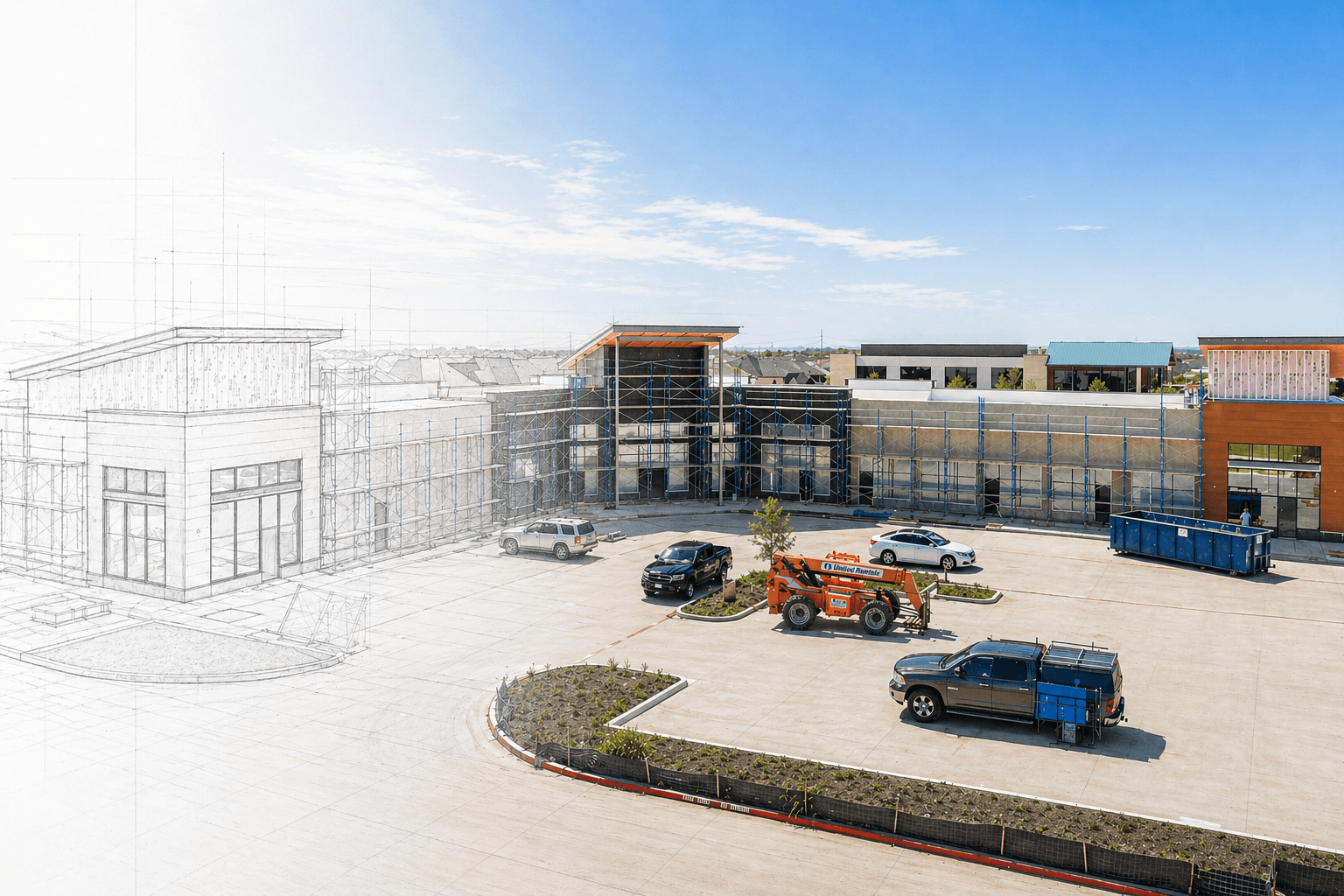

9 Ways to Make a Commercial Construction Project Bankable
Discover the strategies to make commercial construction projects bankable in Texas and improve financial readiness.
9 Ways to Make a Commercial Construction Project Bankable in Texas
Securing financing is one of the most critical steps in bringing a commercial construction project to life.
In a competitive and fast-growing market like Texas, lenders are selective; they want assurance that a project is not just viable, but bankable.
But what exactly does "bankable" mean, and how can developers, investors, and commercial contractors in Texas position their projects for approval?
In this guide, we take a deeper look at the key factors lenders evaluate, and how you can strengthen each one.
What Does "Bankable Property" Mean in Commercial Construction?
A "bankable" project is one that lenders consider low-risk, well-structured, and capable of generating consistent returns.
Moreover, it reflects careful planning, realistic financials, regulatory compliance, and a capable execution team.
9 Key Factors That Make a Project Bankable
1. Strong Financial Feasibility
Financial feasibility is the foundation of bankability. Lenders don't just glance at your numbers; they scrutinize them.
A strong financial plan should include:
- Detailed Cost Breakdown: This covers land acquisition, design, labor, materials, permits, and contingency reserves. Underestimating costs is one of the fastest ways to lose lender trust.
- Revenue Projections: These should be based on real market data - not assumptions. For example, rental income should reflect current rates in comparable properties.
- Cash Flow Analysis: Lenders want to see when the project will begin generating income and how stable that income will be over time.
- Debt-Service Coverage Ratio (DSCR): Typically, lenders look for a DSCR above 1.2, meaning your project earns at least 20% more than its debt obligations.
A well-structured financial model shows discipline, realism, and preparedness - three qualities lenders prioritize.
You can also read: Importance of Financial Proforma in Real Estate Development.
2. Solid Market Demand
Lenders want proof that your project solves a real need in the market.
To demonstrate demand, you should provide:
- Local Market Studies: Data on population growth, employment trends, and economic activity in the area.
- Comparable Property Analysis (Comps): Evidence of how similar properties are performing in terms of occupancy, rental rates, and appreciation.
- Target Audience Clarity: Whether it's retail customers, office tenants, or industrial users, you need to define who will use the space and why.
- Absorption Rates: How quickly similar properties are leased or sold in your area.
For example, building retail space in an already saturated area without differentiation can make lenders hesitant, while addressing a clear shortage increases confidence.
You can also read: Starting a Commercial Build in DFW: 8 Things You Should Know.
3. Experienced Project Team
A lender is not just funding a project; they're funding the people behind it.
They evaluate:
- Track Record: Have you or your partners completed similar projects?
- Reputation: Are your contractors and consultants known for delivering on time and within budget?
- Project Roles and Responsibilities: Clear accountability reduces confusion and risk.
An experienced commercial construction partner, like TX Sparks Construction, can significantly strengthen your proposal.
Their ability to provide accurate estimates, manage timelines, and handle challenges reassures lenders that execution risk is minimized.
You can also read: 5 Key Tips to Choose the Ideal General Contractor.
4. Clear Project Scope and Timeline
Uncertainty is a major red flag for lenders. A bankable project must clearly define:
- Scope of Work: Every aspect of the construction process, from site preparation to final finishes.
- Construction Phases: Breaking the project into phases with measurable milestones helps track progress and funding needs.
- Realistic Timeline: Timelines should account for weather delays, labor availability, and supply chain disruptions.
- Contingency Planning: What happens if there's a delay or cost increase?
When your timeline is detailed and achievable, lenders are more confident that the project won't face costly overruns.
You can also read: 5 Steps to Reduce Construction Delays in North Texas Projects.
5. Regulatory Compliance and Permits
Compliance is non-negotiable. A project that doesn't meet legal requirements can face delays, fines, or even shutdowns.
To ensure bankability:
- Zoning Approvals: Confirm that your project aligns with local land-use regulations.
- Permits and Licenses: All necessary construction permits should be secured, or at least in progress, before seeking financing.
- Environmental Regulations: Address potential environmental impacts early to avoid complications later.
- Safety Standards: Compliance with construction and labor safety laws is essential.
Early compliance signals professionalism and reduces lender risk.
6. Risk Mitigation Strategy
Every construction project has risks; what matters is how well you prepare for them.
A strong risk mitigation plan includes:
- Insurance Coverage: General liability, builder's risk, and workers' compensation insurance protect against unforeseen events.
- Contingency Budget: Typically, 5-10% of the total project cost to cover unexpected expenses.
- Supply Chain Planning: Identifying backup suppliers to avoid material shortages.
- Contractor Agreements: Fixed-price or guaranteed maximum price (GMP) contracts can reduce financial uncertainty.
When lenders see that risks are identified and managed, they are far more likely to approve funding.
You can also read: 5 Common Construction Mistakes to Avoid for Project Success.
7. Equity Investment ("Skin in the Game")
Lenders want to know that you are financially committed to your project.
- Typical Equity Contribution: 20-30% of total project cost
- Why It Matters: Higher equity reduces the lender's exposure and shows confidence in the project
- Shared Risk: When developers invest their own capital, they are more motivated to ensure success
Projects with little or no equity often struggle to secure financing unless backed by exceptional circumstances.
8. Pre-Leasing or Tenant Commitments
Pre-leasing is one of the strongest indicators of bankability for commercial properties.
- Signed Lease Agreements: Show guaranteed income from day one
- Anchor Tenants: Well-known tenants can attract additional businesses and customers
- Reduced Vacancy Risk: Lenders are more comfortable when occupancy is secured early
For example, a retail center with committed tenants is far less risky than one relying on future leasing.
9. Detailed Documentation
Documentation is what transforms your project from an idea into a credible, finance-ready opportunity.
For lenders, it provides transparency, reduces uncertainty, and allows them to verify every aspect of your project, from financial viability to construction readiness.
Even a well-planned project can face delays or rejection if the documentation is incomplete, inconsistent, or unclear.
Here's a closer look at what lenders expect:
- Business Plans: A strong business plan outlines your project's vision, objectives, target market, and execution strategy. It should clearly explain what you're building, why it's needed, and how it will succeed. Lenders use this to understand the overall direction and long-term viability of the project.
- Financial Statements: These include income statements, balance sheets, cash flow projections, and funding structures. Lenders analyze these documents to assess your financial health, repayment capacity, and risk exposure. Accurate, well-organized financials build confidence and demonstrate professionalism.
- Construction Contracts: Signed agreements with contractors and subcontractors show that you have a structured execution plan in place. These contracts should clearly define scope, timelines, costs, and responsibilities. Transparent contract terms reduce the risk of disputes and unexpected cost escalations.
- Architectural and Engineering Drawings: Detailed construction designs and technical drawings provide a clear picture of the project's design, layout, and specifications. Lenders often rely on these to evaluate land feasibility, estimate costs, and ensure the project aligns with zoning and regulatory requirements.
- Legal Agreements: This includes land ownership documents, partnership agreements, lease agreements (if applicable), and any other legal paperwork tied to the project. These documents confirm that the project is legally sound and free from disputes or ownership issues.
Consistency across all these documents is just as important as completeness.
For example, if your financial projections don't align with your construction costs or project timeline, lenders may see it as a red flag.
Ultimately, well-prepared documentation signals that your project is organized, realistic, and ready for execution, making it far more attractive to lenders.
How TX Sparks Construction Strengthens Bankability
TX Sparks Construction plays a vital role in improving project bankability by:
- Delivering accurate and transparent cost estimates.
- Creating realistic construction timelines.
- Ensuring compliance with Texas regulations.
- Managing risks through proven construction practices.
- Supporting developers with end-to-end project execution.
Their expertise helps bridge the gap between vision and execution, something lenders value highly.
Ready to Make Your Commercial Project Bankable?
A successful commercial project starts with the right planning and the right partners. TX Sparks Construction is committed to helping you build projects that lenders trust and investors support.
Call us at 469-598-2558 or contact us today to discuss your project and take the next step toward securing financing.
FAQs
1. What is DSCR, and why is it important?
DSCR (Debt-Service Coverage Ratio) measures your project's ability to cover loan payments. A higher DSCR indicates lower financial risk.
2. How can I improve my project's bankability?
Focus on strong financial planning, market research, experienced partners, and clear documentation.
3. Do lenders require permits before approval?
Not always finalized permits, but clear progress and compliance are essential.
4. Is pre-leasing mandatory?
Not mandatory, but it significantly increases lender confidence and improves approval chances.
Disclaimer: This article is provided for general educational and informational purposes only and does not constitute professional, legal, financial, or engineering advice. While TX Sparks Construction makes every effort to keep this content accurate and current, we make no warranties as to its completeness, accuracy, or reliability. Construction codes, regulations, and requirements vary by location and project and are subject to change. Any action you take based on this information is strictly at your own risk. For guidance specific to your project, please consult a qualified professional or contact our team directly.