



Category : Blog
Date :26 MAR 2026
Author : TX Sparks
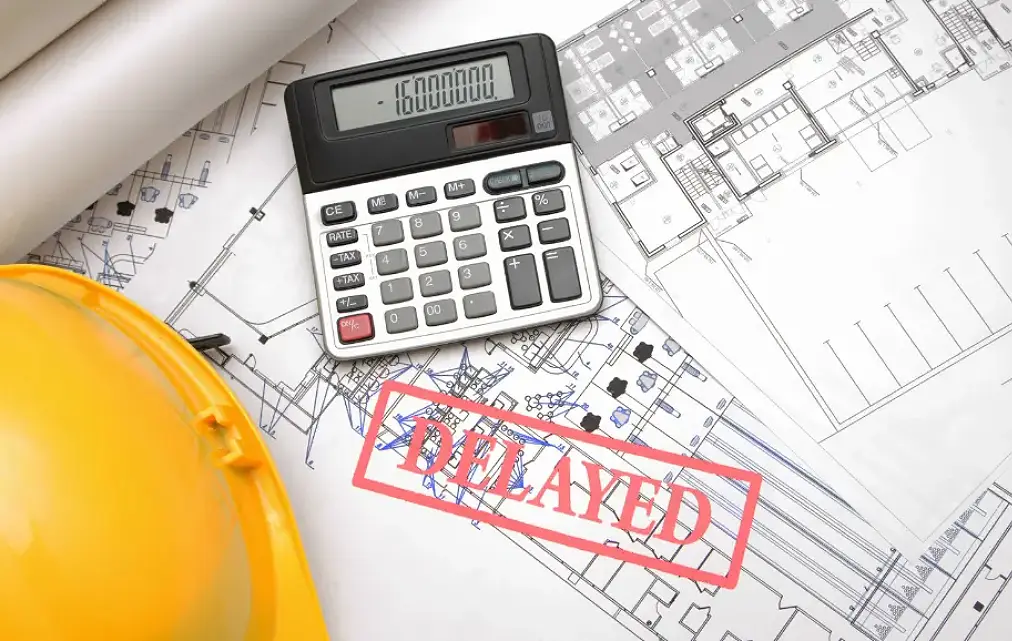
5 Strategies to Prevent Construction Delays in North Texas
Staying on schedule in the fast-paced North Texas market is no small feat.
With DFW leading the nation in industrial permits and accounting for nearly one-third of the state’s total commercial square footage under construction in 2026, the pressure to deliver on time has never been higher.
For developers and homeowners alike, a construction delay is more than a nuisance; it is a financial drain.
At TX Sparks Constructions, we understand that the North Texas landscape presents unique challenges, from erratic weather to a tightening labor market.
In this guide, we’ll explore the primary causes of construction delay in Texas and provide actionable strategies to ensure your project stays on the fast track.
The True Cost of Construction Delays in North Texas Projects in 2026
The Texas construction boom is at an all-time high, with commercial spending topping nearly $90 billion annually.
However, this growth comes with a “speed and strain” trade-off.
According to Deloitte’s 2026 Industry Outlook, project abandonment activity saw an 88.2% year-over-year increase in late 2025, largely due to unmanaged delays and rising material costs.
To reduce construction delay, you must first understand the “Big Three” bottlenecks currently facing North Texas:
- Labor Scarcity: The industry is grappling with a national shortfall of approximately 450,000 workers.
- Supply Chain Volatility: Lead times for structural steel and specialized electrical components can now extend into late 2026.
- Climate Factors: North Texas is notorious for “weather-related pauses,” where extreme heat or flash flooding can halt work for weeks.
5 Proven Strategies to Reduce Construction Delay
1. Implement 4D BIM Planning
Traditional 3D modeling shows you what the building looks like; 4D planning adds the element of time.
By visualizing the construction sequence, a contractor in Texas can identify “clashes”, such as two trades trying to work in the same small space, before a single brick is laid.
Pro Tip: Ask your contractor for a “pull-planning” session. This involves working backward from completion dates to ensure every handoff between trades is seamless.
2. Lock in Early Procurement & Domestic Sourcing
With tariffs on construction goods reaching a 40-year high of 25% to 30%, waiting to buy materials is a recipe for disaster.
To reduce construction delay, TX Sparks recommends:
- Strategic Stockpiling: Ordering long-lead items (HVAC units, switchgear, steel) months in advance.
- Domestic Sourcing: Prioritizing U.S.-based suppliers to bypass the port congestion affecting international shipments.
3. Account for the “Texas Factor” in Scheduling
You cannot treat a North Texas schedule like one in California.
We integrate “weather buffers” based on NOAA seasonal outlooks.
If you are pouring concrete in the spring, your schedule must account for the high probability of thunderstorm-related delays.
According to research on weather-related delays, rainfall has a significant factor of 0.890 in causing project setbacks.
4. Prioritize Skilled Labor Retention
In a market where wages are rising 4.5% annually, the best subcontractors are in high demand.
Working with an established contractor in Texas, like TX Sparks Constructions, gives you access to a vetted network of tradespeople.
Reliable partnerships ensure that even when labor is tight, your site remains a priority.
5. Streamline the Permitting Process
Bureaucratic hurdles are a silent project killer.
In North Texas, cities like Frisco and Plano have specific zoning and environmental codes.
A knowledgeable contractor will submit “long-lead” permits (utility connections, right-of-way) simultaneously with the design phase to prevent a “stop-work” order later.
You can also read: Starting a Commercial Build in DFW: 8 Things You Should Know.
Why Choose TX Sparks Constructions for Your North Texas Project?
Based in Plano/Frisco, TX, Sparks Constructions specializes in navigating the complexities of the local market.
From high-tech data center support to luxury residential builds, our team focuses on predictive scheduling rather than reactive fixes.
We don’t just build structures; we manage risks to ensure your investment pays off on time.
Strategy | Impact on Delay | Recommended Action |
4D Planning | High | Detect sequence clashes early. |
Early Buy-outs | Critical | Order steel/HVAC 6+ months out. |
Buffer Days | Medium | Add 10-15% “weather float.” |
Vetted Subs | High | Use contractors with 5+ years of relationships. |
You can aslo read: 6 Steps to Select the Right General Contractor for Your Commercial Project.
Conclusion
The North Texas construction boom shows no signs of slowing down, but as we’ve seen in 2026, speed is nothing without a strategy.
In a market defined by tight labor pools and erratic supply chains, the difference between a successful handover and a costly delay often comes down to proactive management.
By integrating advanced tools like 4D BIM, locking in domestic supply lines early, and respecting the “Texas Factor” in your scheduling, you can turn these industry-wide bottlenecks into your competitive advantage.
Don’t let your project become part of the rising abandonment statistics; instead, lean on a local partner who understands the unique rhythm of the DFW Metroplex.
So, if you’re ready to start your next North Texas project without the headache of endless construction delays?
Contact TX Sparks Constructions today for a comprehensive project consultation. We’ll help you build a realistic, risk-adjusted timeline that gets you through the doors on schedule.
FAQs: Avoiding Construction Setbacks
1. Does using “Green” or alternative materials help reduce delays?
Yes, in some cases. If traditional structural steel has a 12-month lead time, switching to mass timber or advanced pre-cast concrete can often shave months off a schedule, provided the design is adjusted early.
2. What is a “Liquidated Damages” clause, and should I use it?
This is a contract provision that requires the contractor to pay a set amount for every day the project is delayed. While it provides financial protection, it’s better used as a last resort. Collaborative “Incentive Clauses”, where contractors receive a bonus for early completion, often yield better results.
3. How do interest rates in 2026 affect my construction timeline?
While mortgage rates have stabilized around 6.1%, high borrowing costs mean that every day of delay costs more in interest. This makes “speed to market” more critical than ever for commercial developers looking to start generating revenue.
4. Can I change my mind on finishing mid-construction without a delay?
Rarely. “Change orders” are the leading cause of internal delays. Even a simple change in flooring can trigger a domino effect, requiring new shipping logs, different sub-trades, and potentially new inspections. It is always best to finalize all “Selection Sheets” before the foundation is poured.
similar Blogs

Avoiding Costly Delays: A Must-Know Interior Build-Out Inspection Checklist for Business Owners

5 Tips to Choose your General Contractor

The Role of Permits and Inspections in Construction Projects
The Importance of Choosing the Right Engineers and Architects for Real Estate Development
Starting a Commercial Build in DFW: 8 Things You Should Know
Understanding Zoning Laws: Your Guide to Navigating Land Development

How to Choose the Right Commercial Land for Your Business
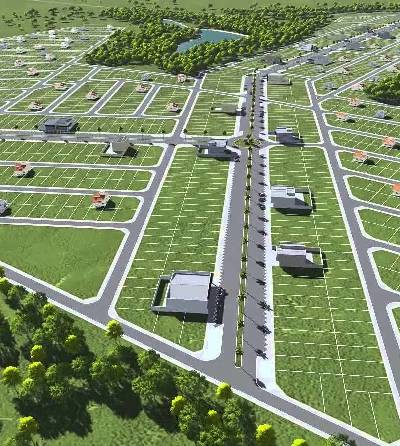
Comprehensive Feasibility Study by TX Sparks (TX Sparks Constructions)
Understanding Building Codes and Regulations: A Guide for Homeowners and Contractors
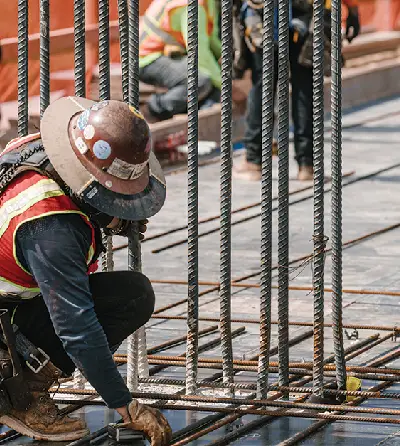
5 Common Construction Mistakes to Avoid for Successful Projects

Tips for Finding the Right Contractor for Your TX Construction Project

The Impact of Technology on Construction: Trends and Innovations
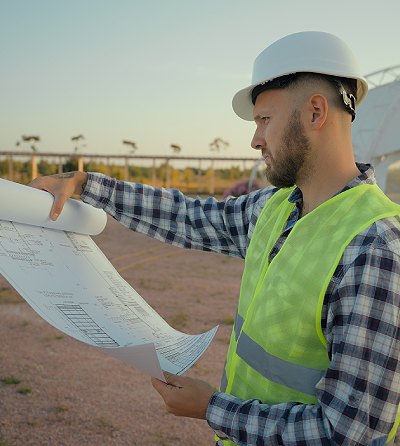
Unlocking the Potential of Land: The Importance of Land Entitlement for Successful Development

Top Challenges in Land Development and How to Overcome Them

Buying Engineered Land: A Due Diligence Checklist to Protect Your Investment

How to Find a Full-Service General Contractor for Your Project

The Importance of a Financial Proforma for Real Estate Developers and Investors
6 Steps to Select the Right General Contractor for Your Commercial Project
The Emerging Technologies in the Construction Industry