
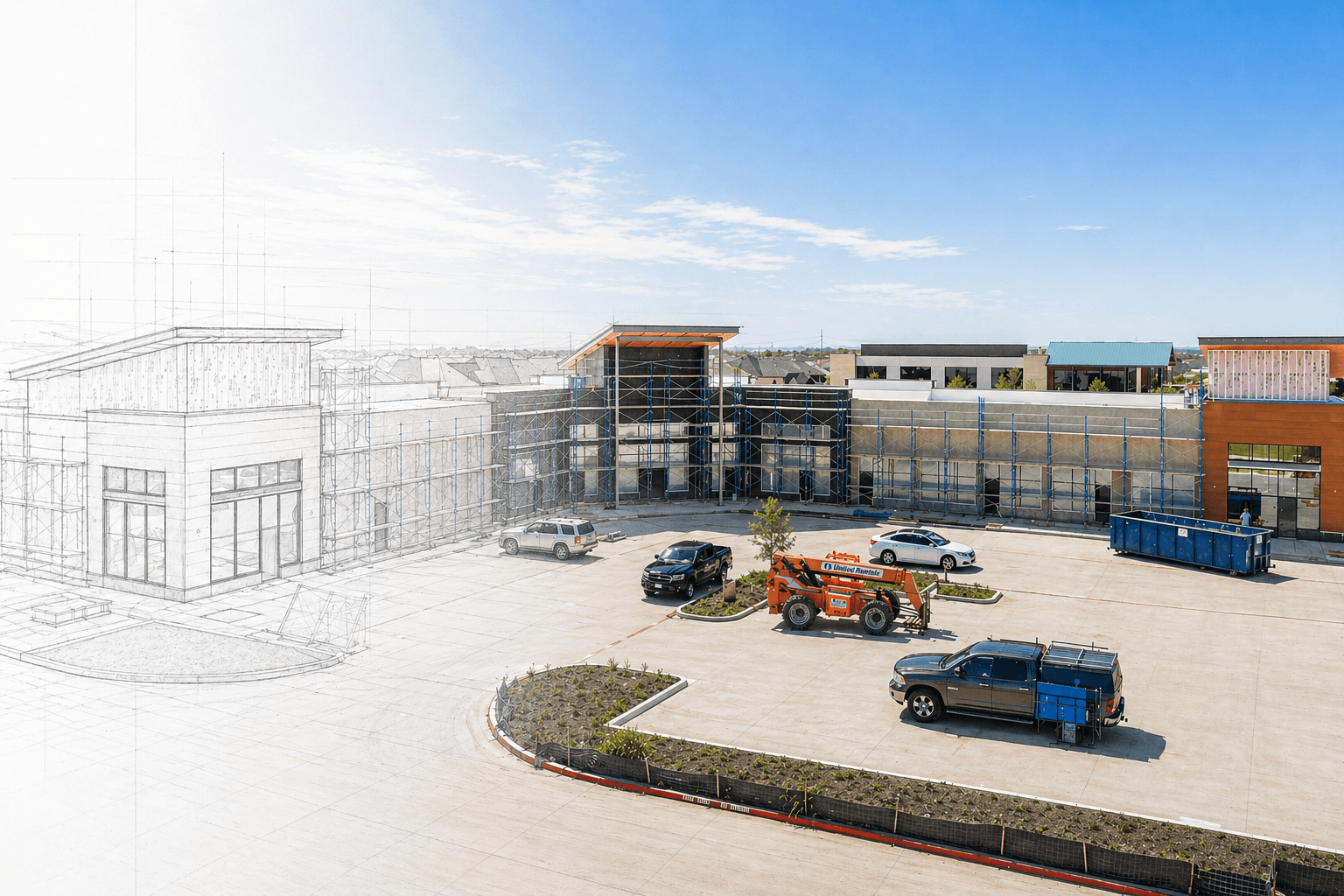

The Importance of Choosing the Right Engineers and Architects for Real Estate Development
For new real estate developers, whether in residential or commercial construction, choosing the right engineers and architects is one of the most critical decisions in the development process. The success of your project depends heavily on making informed choices during the planning stages, particularly when it comes to understanding the future use of your space.
Understanding Zoning Laws: Your Guide to Navigating Land Development
There are appropriate spaces for every type of construction, and these are not just determined by the preferences of the client or the builder. These spaces are governed by a set of regulations defined by the government to bring order to the city and protect the well-being of all residents. Imagine living next to a nightclub and being unable to sleep all night examples like this help us understand how zoning laws come into play, defining the types and restrictions for each space. Understanding zoning laws is essential before starting any development project, and working with experienced construction experts can help you interpret local regulations and avoid costly compliance issues.
In a city, it's ideal to have access to everything: both public and private services, recreational and relaxation areas, and workspaces such as ports and refineries. This social order is what we refer to as zoning laws.
To understand them, we need to look at each type. These laws are generally grouped into four categories, which are as follows:
Residential: These are spaces designated for housing, whether they are homes or apartment buildings, residential complexes, or lofts any type of structure designed to accommodate people. In these zones, it's important to respect quiet hours, and access to public and sanitary services, as well as transportation, should be considered.
Commercial: This category includes all spaces for transactions of goods and services. Here, people gather frequently, as it's the place where they access products or services for their lifestyle. The noise level is moderate, mostly due to people discussing their transactions.
Industrial: In industrial zones, the noise level is much higher, and proper attire is required, as heavy machinery is often present. These zones are designated for the design and manufacturing of consumer goods, and they also include ports for loading and unloading containers.
Agricultural: This is where rural life takes place open spaces close to nature where animals are raised and crops are grown for human consumption. It's a plant-filled area without paved roads, and access can be difficult without the right vehicle.
Each zone has its own set of rules and restrictions designed to balance growth with quality of life. Some of these rules include, but are not limited to:
Population Density: This refers to the total number of people allowed in a given space, the number of homes per lot, or the number of people in a house or apartment.
Lot and Structure Size: Building sizes and property widths are also limited by local regulations. For example, some government-protected zones cannot be visually obstructed by structures.
Permitted Use: Each zone is designed to accommodate specific activities that are compatible with the environment and contribute to the overall functionality of the area. For example, residential zones allow for housing construction, as well as community services and small businesses that don't significantly disrupt the peace of the neighborhood.
At TX Sparks Construction, we understand the crucial role zoning plays in the success of a project. Whether you're planning a new shopping center or a residential community, we ensure that every project complies with local regulations and meets the highest standards of quality and sustainability.
Our team is committed to guiding you through the complexities of land development, from initial zoning compliance to final construction. We leverage our expertise to turn regulatory challenges into opportunities for growth and innovation. Contact TX Sparks Construction today to learn how we can help you navigate the complexities of land development and build a successful future together.
Disclaimer: This article is provided for general educational and informational purposes only and does not constitute professional, legal, financial, or engineering advice. While TX Sparks Construction makes every effort to keep this content accurate and current, we make no warranties as to its completeness, accuracy, or reliability. Construction codes, regulations, and requirements vary by location and project and are subject to change. Any action you take based on this information is strictly at your own risk. For guidance specific to your project, please consult a qualified professional or contact our team directly.